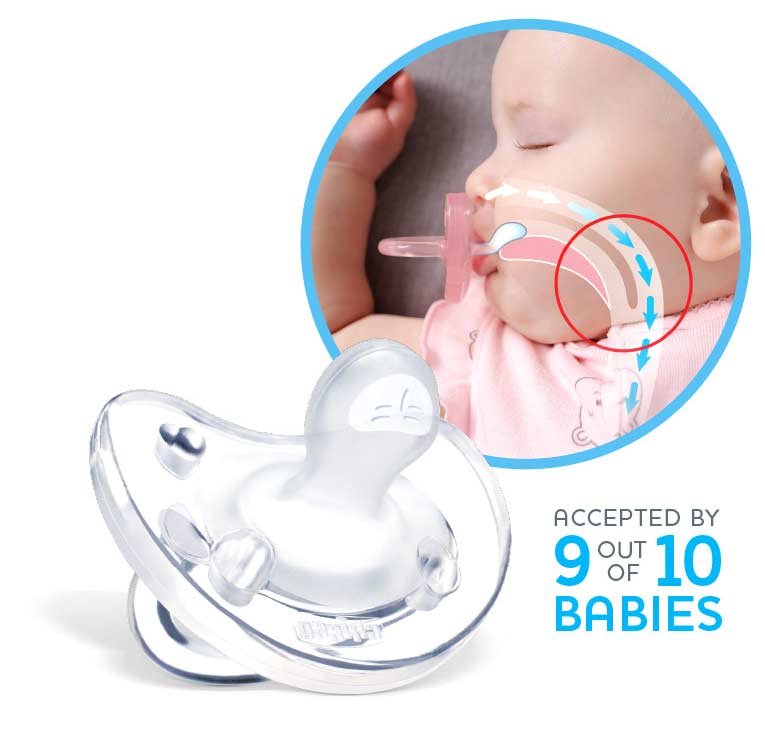
Benefits and Drawbacks of Pacifier Use for Your Infant's Health
As a new parent, navigating the myriad decisions for your baby's health and well-being can feel overwhelming. One small, seemingly simple item often sparks a big debate: the pacifier. Is it a harmless comfort, a crucial safety tool, or a potential problem down the road? Understanding the Benefits and Drawbacks of Pacifier Use is key to making an informed choice that’s right for your family.
At its core, a pacifier taps into a baby's innate and powerful sucking reflex, offering a source of non-nutritive comfort. This act of sucking isn't just about feeding; it's a natural mechanism for self-soothing, capable of stimulating the brain to release oxytocin—that wonderful "feel-good" hormone that calms and reduces stress. But like any parenting tool, pacifiers come with both a bright side and a cautionary tale.
At a Glance: Pacifier Pros & Cons
- Comfort & Calm: Pacifiers are excellent at soothing fussy or overwhelmed babies.
- SIDS Reduction: A significant benefit, pacifier use during sleep can lower the risk of Sudden Infant Death Syndrome.
- Sleep Aid: Helps many babies fall asleep independently.
- Pain Relief: Offers distraction and comfort during minor procedures or discomfort.
- Feeding Help (Premature): Can aid in developing oral skills for premature infants.
- Easier to Wean: Often simpler to remove than a thumb-sucking habit.
- Potential for Nipple Confusion: If introduced too early to breastfed babies, though research suggests this risk is often overstated if breastfeeding is well-established.
- Sleep Disruptions: Babies might wake when the pacifier falls out, leading to more parental intervention.
- Dental Concerns: Prolonged use can affect tooth alignment and jaw development.
- Increased Ear Infections: Can make babies more prone to middle ear infections, particularly after 6 months.
- Speech Development: Heavy daytime use might briefly hinder babbling and early speech practice.
- Safety Hazards: Requires careful selection and maintenance to avoid choking risks.
The Comforting Embrace: When Pacifiers Shine
For centuries, parents have sought ways to comfort their infants. The pacifier, in its modern form, offers a convenient and effective solution, providing several notable advantages that contribute to a baby's well-being and parental peace of mind.
A Go-To for Self-Soothing
Imagine a baby feeling overwhelmed by a new environment, post-vaccination fussiness, or just the general sensory input of a bustling world. A pacifier can be a powerful self-soothing tool, mimicking the natural sucking motion babies use for feeding. It provides a familiar, calming sensation that helps them regulate their emotions and find tranquility. This independent soothing mechanism can be a true lifesaver for parents, allowing a baby to settle down without constant rocking or feeding.
Boosting Feeding Skills in Premature Babies
For infants born prematurely, developing strong oral motor skills is crucial for successful feeding. Non-nutritive sucking on a pacifier can be a beneficial form of oral stimulation, helping these tiny fighters strengthen their suck-swallow-breathe coordination. This practice can significantly improve their ability to breastfeed or bottle-feed, contributing positively to their overall development and readiness to leave the hospital.
A Shield Against SIDS: The Pacifier's Life-Saving Role
Perhaps the most compelling benefit of pacifier use is its proven ability to reduce the risk of Sudden Infant Death Syndrome (SIDS). SIDS is a devastating and inexplicable tragedy, making any preventative measure highly valued. Studies consistently show that offering a pacifier during sleep—both for naps and at night—can lower this risk.
While the exact mechanisms are still being researched, theories suggest that pacifier use:
- Helps babies stay in lighter stages of sleep, making them more easily arousable if breathing becomes compromised.
- Keeps the tongue forward, preventing it from falling back and obstructing the airway.
- May prevent babies from rolling onto their stomachs, a known risk factor for SIDS.
The American Academy of Pediatrics (AAP) specifically recommends offering a pacifier at sleep times to reduce SIDS risk, a powerful endorsement that encourages many parents to consider pacifier use.
Ushering in Sleep: A Gentle Nudge to Dreamland
Beyond its SIDS-prevention benefits, a pacifier can be an effective sleep aid. For many babies, the natural desire to suck is a strong cue for relaxation and sleep. A pacifier can satisfy this need without requiring a feed or constant rocking, helping babies fall asleep faster and potentially learn to fall asleep independently. This can be especially helpful in establishing healthy sleep habits, as highlighted in various tips for establishing healthy sleep habits.
Easing Discomfort and Pain
From minor medical procedures like blood draws or vaccinations to the discomfort of teething, ear infections, or even air pressure changes during flying, sucking on a pacifier can provide significant pain relief and distraction. The rhythmic sucking releases natural pain-relieving endorphins, offering a simple, drug-free way to comfort your baby through temporary discomfort.
A Habit That's Easier to Break
Compared to thumb or finger sucking, which is an intrinsic habit, pacifier sucking is generally an easier habit to break. A pacifier is an external object that can be gradually removed or replaced, giving parents more control over the weaning process when the time comes. This often makes parents feel more at ease knowing they have an exit strategy.
The Cautionary Side: Potential Pitfalls of Pacifier Use
While pacifiers offer clear advantages, it's equally important to understand their potential drawbacks. Thoughtful use and timely intervention can mitigate many of these concerns, but awareness is the first step.
The Nipple Confusion Debate
One of the most frequently cited concerns, particularly for breastfed babies, is "nipple confusion." The theory suggests that introducing a pacifier too early, before breastfeeding is well-established, could lead babies to prefer the easier sucking technique of a pacifier (which typically requires less effort to draw milk) over the more complex latch and suck required for breastfeeding.
However, modern research often challenges the severity of this risk. Many studies indicate that if breastfeeding is firmly established—meaning the baby latches reliably, milk supply is confident, and weight gain is consistent—introducing a pacifier around 3 to 4 weeks of age typically doesn't cause nipple confusion. This nuance is critical when considering guidelines for successful breastfeeding.
The Sleep Dependency Trap
While a pacifier can help a baby fall asleep, it can also become a crutch. Some babies become heavily reliant on their pacifier to stay asleep, waking up crying if it falls out during the night. This "pacifier run" can lead to interrupted sleep for both baby and parents, negating the very benefit of improved sleep initially sought. It's a delicate balance between aiding sleep and fostering dependency.
Impact on Dental Development
Prolonged pacifier use, particularly past the first couple of years, is a significant concern for dental health. The constant pressure from a pacifier can influence the growth and alignment of the jaw, create spacing issues between teeth (an "open bite" or "crossbite"), and even affect the roof of the mouth. These issues can require expensive orthodontic treatment later in childhood.
Most babies begin teething around 6 months, and continued pacifier use beyond this point, especially as permanent teeth begin to develop, increases the risk of dental complications. Consulting with a pediatric dentist as your child approaches their second birthday can offer insight into important milestones in toddler dental care and the potential impact of pacifier use.
A Higher Risk of Ear Infections
Studies have shown a correlation between pacifier use and an increased incidence of middle ear infections (otitis media). While the exact mechanism isn't fully understood, it's believed that frequent sucking can open the Eustachian tubes (which connect the middle ear to the back of the throat), allowing bacteria from the throat to enter the ear more easily. Children without pacifiers have been observed to have approximately 33% fewer ear infections.
It's important to weigh this risk against the SIDS reduction benefit, particularly for babies under 6 months old, where the SIDS risk is highest. Many experts suggest that the SIDS benefits often outweigh the ear infection risk in this critical early period. As your child grows past this higher-risk SIDS window, the balance might shift. This understanding can be a part of broader strategies for preventing common infant illnesses.
Potential Choking Hazard
Like any baby product, pacifiers pose a choking risk if not designed, used, and maintained correctly. A pacifier that is too small, has detachable parts, or is worn down can become a serious hazard. It's crucial that pacifiers have a base at least 1.5 inches across to prevent them from being swallowed and ventilation holes for safety. Two-piece pacifiers are generally less safe than one-piece designs because they can break apart.
Impaired Speech Development
While often temporary, frequent daytime pacifier use can potentially impact speech development. If a baby's mouth is constantly occupied by a pacifier, it reduces opportunities for babbling, experimenting with sounds, and practicing early words. This can sometimes contribute to minor speech errors or delays. However, many children quickly outgrow these issues once pacifier use is reduced or stopped. It's important to note that nighttime pacifier use typically has no known impact on speech development.
Navigating Pacifier Use: Best Practices for Parents
If you decide that a pacifier is right for your baby, knowing how to introduce, use, and maintain it safely is paramount.
Timing is Everything: When to Introduce a Pacifier
- For Breastfed Babies: The general recommendation from experts like the AAP is to wait until breastfeeding is well-established. This usually means around 3 to 4 weeks after birth, when your baby consistently latches, your milk supply is confident, and their weight gain is steady. This delay helps minimize any theoretical risk of nipple confusion.
- For Bottle-Fed Babies: Pacifiers can typically be offered immediately after birth, as there's no concern about interfering with a breastfeeding latch.
Choosing the Right Pacifier
Not all pacifiers are created equal. Smart selection is crucial for safety and effectiveness.
- One-Piece Design: Always opt for a one-piece pacifier to eliminate the risk of parts separating and becoming a choking hazard.
- Size Matters: Choose the correct size for your baby's age: one for newborns through 6 months, and a larger one for babies 6 months and older.
- Shield Safety: Ensure the pacifier has a shield at least 1.5 inches (3.8 cm) across, made of firm material, and equipped with air holes to prevent suffocation or choking.
- Material: Silicone pacifiers are durable, last longer, and are often dishwasher safe. Latex pacifiers are softer and more flexible but can break down faster and aren't typically dishwasher safe.
- Orthodontic Options: Some pacifiers are designed with an orthodontic nipple shape, intended to encourage natural jaw and tongue movement and minimize potential dental issues.
- Teething Pacifiers: For teething comfort, choose a one-piece design, check it frequently for wear and tear, and refrigerate it (never freeze) to soothe sore gums without causing frostbite.
Gentle Introduction Techniques
If your baby isn't immediately keen on the pacifier, don't force it.
- Timing: Try offering it when your baby is calm and content, not overly hungry or fussy.
- Technique: Gently place the pacifier in their mouth. If they resist, wait for a better mood. Once it's in, a slight, gentle tug as if to remove it may encourage them to suck more actively to keep it in place.
- Purpose: Remember, a pacifier is for comfort, not a substitute for feeding or interaction.
Hygiene and Cleaning Protocols
Keeping pacifiers clean is vital to prevent germ transmission, especially for younger infants.
- Under 6 Months: Sterilize pacifiers before each use. This can be done by boiling for 5 minutes, washing in a dishwasher with hot water and a heated dry cycle, or using a microwave sterilizer (always check manufacturer instructions).
- After 6 Months: Washing with warm soap and water is generally sufficient as your baby's immune system matures.
- Never Mouth-Clean: Avoid putting a pacifier in your own mouth to "clean" it. This can transfer bacteria and germs from your mouth to your baby.
Important Precautions for Safe Pacifier Use
- No Strings or Cords: Never attach a pacifier to a cord, ribbon, or string around your baby's neck or clothing. This is a severe strangulation hazard. Use clips designed specifically for pacifiers, ensuring they are short and secure.
- Not for Hunger: A pacifier should never be used as a substitute for feeding. If your baby is showing signs of hunger, offer a feed first.
- Regular Checks: Inspect pacifiers regularly for any signs of wear and tear, such as tears, holes, discoloration, or stickiness. Check the expiration date. Replace worn-out pacifiers immediately.
- Stuffed Animal Pacifiers: Pacifiers integrated into small stuffed animals can be comforting but should only be used when supervised. They are not recommended for unsupervised naps or nighttime sleep due to potential suffocation risks.
The Farewell Tour: Weaning from the Pacifier
Eventually, the time comes to say goodbye to the beloved pacifier. Knowing when and how to approach this transition can make it smoother for both you and your child.
When to Say Goodbye: Recommended Ages for Weaning
There's no single "perfect" age, and recommendations vary:
- American Academy of Pediatrics (AAP): Suggests weaning between 2 and 4 years of age to prevent potential long-term dental issues.
- American Academy of Family Physicians (AAFP): Recommends reducing use around 18 months.
- Early Weaning Advocates: Some experts suggest stopping pacifier use around 6 or 7 months. At this age, the risk of SIDS is significantly lower, and a baby's emotional attachment to the pacifier is typically less strong, potentially making weaning easier.
Ultimately, the decision often balances the continued benefits of comfort and SIDS reduction in the early months against the increasing risks of dental problems and ear infections as your child grows.
What to Expect: Side Effects of Weaning
The transition can be challenging for some children. You might notice:
- Difficulties Falling Asleep: Your child may struggle to settle down without their usual comfort item.
- Increased Fussiness/Clinginess: They might be more irritable or seek extra comfort from you.
- Increased Eating: Some children might substitute the oral gratification of sucking with increased snacking.
- Regression: Temporary setbacks in other areas, like potty training, are possible as they adjust.
These are normal responses as your child learns new self-soothing methods.
Gentle Strategies for a Smooth Wean
- Phase Out Gradually: This is often the most successful approach. Start by limiting pacifier use to specific times, like naps and bedtime, and then gradually reduce even those instances.
- Choose the Right Time: Avoid weaning during periods of stress, such as sickness, travel, moving, or the arrival of a new sibling. Pick a calm, stable time in your child's life.
- Be Consistent: Once you set limits, stick to them. Consistency helps your child understand the new rules.
- Establish a Relaxing Bedtime Routine: A predictable and calming routine (bath, story, lullaby) can help your child relax and fall asleep without the pacifier.
- Encourage Other Comfort Items: For babies over 1 year old, a favorite stuffed animal or security blanket can provide a soothing substitute.
- Be Patient and Positive: Acknowledge your child's feelings. Praise their efforts and celebrate small victories. Consider using a sticker chart for older toddlers.
- "Goodbye" Ceremonies: For older toddlers, a "pacifier fairy" or a "pacifier tree" where they leave their pacifiers can be a symbolic and empowering way to say goodbye.
- Use Fun Distractions: Keep your child engaged with activities during the day to minimize thoughts of the pacifier.
- Consult Professionals: If your child is struggling significantly, or if you have concerns about their dental or speech development, consult your pediatrician or a pediatric dentist. They can offer personalized advice and support.
- Never Scold or Punish: The pacifier is a comfort item. Scolding, teasing, or punishing your child for wanting it will only create negative associations and make the process harder.
Making Your Informed Decision
The choice to use a pacifier, and how long to continue, is a deeply personal one, weighing the unique needs and temperament of your baby against the well-documented benefits and potential drawbacks. It’s a classic parenting balancing act, where the immediate comfort and critical SIDS reduction for a young infant often take precedence over later-stage concerns like dental development or ear infections.
By understanding the evidence-based information, practicing safe use, and having a plan for eventual weaning, you can make the most informed decision for your little one's health and happiness. Remember to trust your instincts and consult with your pediatrician for guidance tailored to your child's specific situation. Learn more about pacifiers and how they fit into your parenting journey.