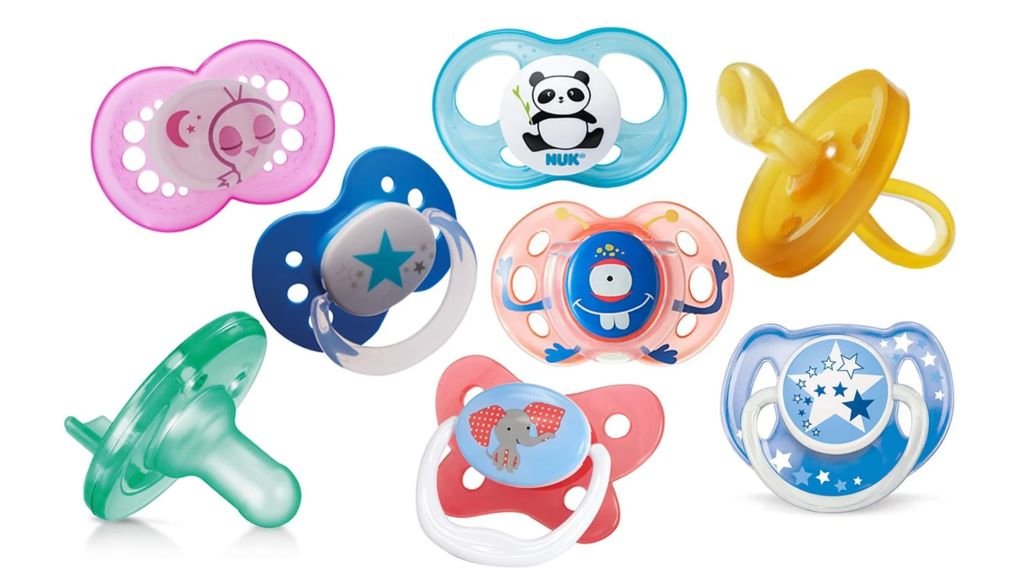
The rhythmic sight of a baby contentedly sucking on a pacifier is a classic picture of calm, offering a much-needed moment of peace for both infant and parent. But with an overwhelming array of options on the market, Choosing the Right Pacifier can feel less like a simple purchase and more like a significant decision for your little one’s comfort and healthy development. It’s not just about aesthetics; it’s about safety, oral health, and finding that perfect soothing companion.
This guide will cut through the noise, equipping you with expert insights and practical advice to confidently select a pacifier that’s just right for your baby.
At a Glance: Your Quick Pacifier Checklist
- Nipple Shape: Orthodontic for jaw development, symmetrical for easy acceptance, or breast-like for nursing babies.
- Material: Prioritize BPA-free medical-grade silicone or natural rubber for safety. One-piece designs are best.
- Size: Always match to your baby's age. Newborns need smaller, softer options; older babies need larger, firmer ones.
- Easy to Clean: Look for one-piece, dishwasher-safe, or self-sterilizing features to maintain hygiene.
- Special Features: Consider glow-in-the-dark, ventilated shields, or travel cases for added convenience.
- Brand Trust: Opt for established brands with positive reviews and safety certifications.
- Introduction: Wait until breastfeeding is established (around 3-4 weeks) to avoid nipple confusion.
- Replacement: Replace every 4-6 weeks, or sooner if any signs of wear appear.
The Power of the Pacifier: More Than Just Comfort
While the primary role of a pacifier is to provide soothing comfort, its benefits extend far beyond a calmed cry. Studies have shown that pacifier use can help babies fall asleep, stay asleep, and even reduce the risk of Sudden Infant Death Syndrome (SIDS) by preventing deep sleep. For breastfed babies, a pacifier can satisfy the natural sucking reflex between feedings without overfeeding.
However, these benefits are maximized when you've made an informed choice. The right pacifier supports oral development, is safe to use, and is easily maintained, ensuring it remains a hygienic source of comfort. Delving into the nuances of pacifier selection can make a world of difference for your baby’s early months. To learn more about everything from pacifier use to weaning tips, explore Your complete guide to pacifiers.
The Art of Selection: Key Features to Consider
Navigating the pacifier aisle can be overwhelming. Understanding the critical features will help you narrow down your choices and pick an option that truly suits your baby’s needs.
Nipple Know-How: Shape Makes a Difference
The shape of a pacifier nipple is perhaps one of the most crucial considerations, impacting everything from your baby’s acceptance to their long-term oral development.
- Orthodontic Nipples: These are asymmetrical, designed to mimic the shape of a mother’s breast during nursing. They have a flattened bottom and a rounded top, intended to support proper jaw and teeth development by fitting naturally in the baby's mouth. Many pediatric dentists recommend orthodontic shapes for promoting healthy oral alignment.
- Symmetrical Nipples: Also known as cherry-shaped or round nipples, these are reversible and offer consistent comfort no matter how your baby inserts them. They are often easily accepted by newborns due to their simple, familiar shape. While less focused on "orthodontic" benefits, many babies thrive with symmetrical designs.
- Breast-Like Designs: For breastfed babies, pacifiers specifically designed to mimic the natural breast shape and feel can be incredibly helpful. These aim to prevent "nipple confusion" by providing a familiar latch sensation, making it easier for babies to transition between breast and pacifier without disrupting feeding habits.
Pro Tip: If you're struggling to find a pacifier your baby accepts, try experimenting with different nipple shapes. Some babies have a strong preference, and what works for one might not work for another.
Material Matters: Safety and Sustainability
When something goes into your baby's mouth for hours a day, material safety is paramount. Always check product labels to ensure the pacifier is made from safe, non-toxic substances.
- Medical-Grade Silicone: This is the most common material for pacifiers, and for good reason. Silicone is durable, heat-resistant, easy to clean, and less likely to harbor bacteria. It's also hypoallergenic, making it a great choice for babies with sensitivities. Look for 100% medical-grade silicone to ensure the highest safety standards.
- Natural Rubber (Latex): Softer and more flexible than silicone, natural rubber offers a different tactile experience that some babies prefer. However, it requires more careful maintenance as it can degrade faster and absorb odors. Crucially, some babies have latex allergies, so always be aware of this potential if choosing natural rubber.
- BPA-Free: This is a non-negotiable standard. BPA (Bisphenol A) is a chemical historically used in plastics that has been linked to health concerns. Ensure any pacifier you choose is explicitly labeled BPA-free.
- One-Piece Designs: These are superior for safety and hygiene. Multi-part pacifiers have seams and crevices where moisture and bacteria can get trapped, making them harder to clean thoroughly and potentially leading to mold or mildew. One-piece designs eliminate these hidden hazards.
Sizing Up: The Age-Appropriate Fit
Pacifiers are not one-size-fits-all. Using the correct size is vital for safety, comfort, and proper oral development.
- Newborn (0-6 months): These pacifiers are smaller, lighter, and feature softer nipples suitable for delicate newborn mouths. The shield is also designed to be appropriately sized to prevent covering the baby’s nose.
- Older Baby (6+ months): As babies grow, their mouths and jaws develop. Pacifiers for older infants are larger and often feature firmer nipples to withstand the increased chewing associated with teething. Always adhere to the manufacturer's age guidelines printed on the packaging.
Why size matters: A pacifier that's too small for an older baby could pose a choking hazard if the nipple detaches or the entire pacifier is swallowed. Conversely, a pacifier that's too large for a newborn might obstruct breathing or feel uncomfortable.
Cleaning Made Easy: Hygiene is Non-Negotiable
A pacifier spends a lot of time in your baby's mouth, making hygiene a top priority. Look for features that simplify cleaning and sterilization.
- One-Piece Design: As mentioned, these are far easier to clean as there are no hidden crevices for germs to hide.
- Dishwasher-Safe: Many silicone pacifiers are top-rack dishwasher safe, making daily cleaning a breeze.
- Boil-Safe: Most silicone pacifiers can be sterilized by boiling in water for a few minutes, a simple and effective method.
- Self-Sterilizing Cases: Some brands offer pacifiers with cases that allow for quick microwave sterilization in just a few minutes. This is a fantastic convenience for on-the-go parents.
No matter the design, inspect pacifiers regularly (every 4-6 weeks) and replace them at the first sign of wear, discoloration, or damage. Cracks or tears can harbor bacteria and become choking hazards.
Smart Extras: Features for Everyday Life
Beyond the essentials, some added features can enhance the pacifier experience for both you and your baby.
- Glow-in-the-Dark: A game-changer for nighttime wake-ups! No more fumbling in the dark trying to find a dropped pacifier.
- Ventilated Shields: Pacifiers with air holes or contoured shields help prevent moisture build-up around your baby’s mouth, reducing the risk of skin irritation, rashes, and discomfort.
- Travel Cases: A dedicated case keeps pacifiers clean and protected in your diaper bag, ready for use when you're out and about. Some even double as sterilizing cases.
- Integrated Clips: While not directly on the pacifier, clip-on holders prevent pacifiers from falling on dirty floors, a definite sanity saver.
Trusting the Brand: Reputation and Reviews
In a market saturated with options, established brands often mean established safety standards and quality control. Brands like Philips Avent, NUK, Dr. Brown's, and MAM have a long history of producing baby products that meet rigorous safety guidelines.
- Safety Certifications: Look for indicators that the product meets international safety standards (e.g., CPSC, ASTM).
- User Reviews: While personal preference varies, consistent positive feedback from other parents can be a strong indicator of a product's reliability and effectiveness. Pay attention to comments regarding durability, ease of cleaning, and baby acceptance.
Our Top Picks: Pacifiers We Recommend
Based on safety, design, material, and user feedback, here are some of the best pacifiers available, catering to different needs and preferences.
Philips Avent Soothie Orthodontic Baby Pacifiers (Hospital-Trusted Comfort)
Widely recognized and often distributed in hospitals, the Philips Avent Soothie is a classic for a reason. Its symmetrical nipple is made from 100% medical-grade silicone in a one-piece design, making it incredibly easy to clean and sanitize. It supports oral development while offering a familiar, comforting shape. While highly trusted, some parents find its shield can be slightly large for very small newborns, potentially brushing their nose.
Dr. Brown's HappyPaci 100% Silicone Pacifier (Affordable Comfort)
Designed with the same soft silicone nipple as Dr. Brown’s popular bottles, the HappyPaci offers a seamless transition for babies who use their bottles. It’s lightweight, 100% medical-grade silicone, and features a one-piece construction for easy cleaning. The contoured shield is designed for comfort and promotes proper breathing. Similar to the Soothie, its initial bulk might feel large for some newborns, but many babies quickly adapt and appreciate its softness.
MAM Original Matte Baby Pacifiers (Self-Sterilizing Convenience)
MAM pacifiers stand out with their innovative self-sterilizing travel case – simply add water and microwave for three minutes. This convenience is a huge win for busy parents. They feature a symmetrical silicone nipple with a SkinSoft™ texture, designed to feel natural. The shield is thoughtfully ventilated to prevent moisture build-up and skin irritation. While the self-sterilizing case is great, ensure you shake out any trapped water from the nipple after cleaning to prevent stagnation.
Tommee Tippee Ultra-Light StayPut Pacifier (Stays in Place)
True to its name, the Tommee Tippee Ultra-Light is incredibly light, which helps it stay in your baby’s mouth with minimal effort. Made from 100% medical-grade silicone, it features a symmetrical nipple and a curved shield with air holes to reduce skin irritation. Parents often praise its ability to stay put, reducing the frequency of pacifier drops. This superior design and material come at a slightly higher price point.
NUK Comfy Orthodontic Pacifiers (Orthodontic Support)
For parents prioritizing orthodontic support, NUK Comfy pacifiers are an excellent choice. They boast an asymmetrical orthodontic nipple designed to mimic the natural shape of a mother’s breast during breastfeeding, promoting healthy oral development. The heart-shaped shield prevents nose obstruction, and a fantastic bonus is its glow-in-the-dark feature, perfect for nighttime searches. These are also dishwasher-safe, though similar to MAM, ensure any potential water trapped inside the nipple is thoroughly dried out.
Philips Avent Soothie Orthodontic Baby Pacifiers (Older Baby Comfort)
Recognizing that older babies have different needs, Philips Avent offers the Soothie for growing infants (3+ months). This version maintains the trusted symmetrical medical-grade silicone nipple and one-piece design, but with increased durability suitable for teething gums. It continues to support oral development and is easy to clean. Be aware that the nipple might be too firm for younger babies, making it essential to match the pacifier to the correct age range.
NUK Timeless Comfy Pacifier (One-Piece Simplicity)
Another strong contender from NUK, the Timeless Comfy offers a one-piece, medical-grade silicone design that emphasizes simplicity and ease of cleaning. Its nipple is designed to be breast-like, making it a good option for breastfed infants seeking comfort. The heart-shaped shield adds to its comfort. While easy to maintain, its soft silicone can be prone to picking up lint or hair if not stored in a clean case, so consistent storage is key.
Itzy Ritzy Natural Rubber Pacifiers (Stylish and Natural)
For parents seeking a natural alternative with a touch of style, Itzy Ritzy offers pacifiers made from natural rubber. They feature a cherry-shaped nipple that mimics breastfeeding, and their large air holes help prevent skin irritation. Known for their aesthetic appeal, these pacifiers offer a softer feel than silicone. However, natural rubber's durability and even the consistency of size can vary more than silicone, requiring more frequent checks for wear.
Dr. Brown's Advantage Glow-in-the-Dark Pacifier (Reversible Design)
Combining the benefits of an easily accepted symmetrical design with the convenience of a glow-in-the-dark feature, Dr. Brown's Advantage is a versatile choice. Its fully symmetrical and reversible nipple means no "right side up," making it easy for baby to self-soothe. The open shield design helps reduce skin irritation. As with other pacifiers featuring an interior cavity, thorough drying is crucial to prevent water retention after cleaning.
NUK for Nature Simply Natural Pacifier (Eco-Friendly Comfort)
For the environmentally conscious parent, the NUK for Nature Simply Natural pacifier offers comfort with an eco-friendly approach. Designed to feel and flex like mom’s breast, its silicone nipple mimics skin texture for a natural soothing experience. The curved shield helps prevent irritation, and the packaging itself is eco-friendly. While highly praised for its natural feel, the nipple can be a bit long for very small newborns, potentially causing a gagging sensation for some.
Your Pacifier Journey: Introduction, Upkeep, and Farewell
Choosing the pacifier is just the first step. Knowing when and how to introduce it, how to keep it clean, and when it’s time to say goodbye are equally important for your baby’s well-being.
When to Introduce: Timing is Key
The timing of pacifier introduction is especially important for breastfed babies. Most experts, including the American Academy of Pediatrics, recommend waiting until breastfeeding is well established, typically around 3 to 4 weeks of age. This helps prevent "nipple confusion," where a baby might struggle to differentiate between the breast and the pacifier, potentially impacting latch or milk intake.
For formula-fed babies, the timing is less critical, but it's still wise to observe your baby's cues. If they're exhibiting strong sucking reflexes outside of feeding times or seem generally fussy, a pacifier might offer comfort. Always consult your pediatrician if you have concerns about pacifier use, particularly regarding oral development or feeding.
Keeping it Clean: Care and Hygiene
A pacifier that isn’t clean can quickly become a breeding ground for germs. Regular cleaning and sterilization are non-negotiable.
- Initial Sterilization: Before first use, sterilize all new pacifiers by boiling them in water for about five minutes.
- Daily Cleaning: Rinse the pacifier with warm water and mild soap after each use, or whenever it falls on the floor. For thorough cleaning, many pacifiers are dishwasher-safe (top rack recommended) or can be boiled for a few minutes daily.
- Storage: Always store pacifiers in a clean, dry container or travel case to prevent contamination and keep them free from lint or dust. Avoid leaving them exposed on counters or in diaper bags.
- Inspection: Make it a habit to inspect pacifiers regularly – every 4-6 weeks is a good guideline, but do it sooner if you notice any changes. Check for cracks, tears, stickiness, discoloration, or any signs of wear.
Knowing When to Say Goodbye: Replacement Schedule
Pacifiers don't last forever. Regular replacement is crucial for both hygiene and safety.
- Every 4-6 Weeks: This is a general guideline for replacement, even if the pacifier looks fine. Over time, materials can degrade, becoming less hygienic or prone to breakage.
- First Sign of Wear: Replace immediately if you notice any cracks, tears, holes, stickiness, swelling, or changes in texture. Damaged pacifiers can harbor bacteria and, more critically, pose a choking hazard if pieces break off.
- Age-Appropriate Updates: As your baby grows, remember to size up their pacifier according to manufacturer guidelines to ensure it's appropriate for their developing mouth and jaw.
Gentle Goodbyes: Weaning Your Little One
Eventually, your baby will need to say goodbye to their beloved pacifier. Gradual weaning methods are generally best to make the transition as smooth as possible.
- Limit Use: Start by restricting pacifier use to specific times, such as naptime or bedtime, gradually reducing its presence during waking hours.
- Positive Reinforcement: Praise your child when they manage without the pacifier, reinforcing their independence.
- Offer Alternatives: Introduce other comforting items like a special blanket, a stuffed animal, or a favorite storybook to replace the pacifier as a source of security.
- Timing: Avoid weaning during times of stress or major change (e.g., moving, new sibling, illness), as your child may need the extra comfort.
- "Pacifier Fairy": For older toddlers, a "pacifier fairy" can be a fun way to exchange pacifiers for a special toy.
Remember, every child is different. What works for one may not work for another. Patience and consistency are key during the weaning process.
Expert Guidance: When to Seek Professional Advice
While this guide provides comprehensive information, sometimes personalized advice is best. Don't hesitate to reach out to healthcare professionals if you have specific concerns:
- Pediatrician: For general health, growth, development, and any questions about pacifier introduction or safety.
- Lactation Consultant: If you are breastfeeding and concerned about nipple confusion or how pacifier use might impact your nursing journey.
- Pediatric Dentist: For advice on oral development, tooth alignment, and the long-term effects of pacifier use, especially as your child approaches their second birthday.
Choosing the right pacifier is an act of thoughtful parenting. By considering nipple shape, material safety, size, and ease of cleaning, you can provide your baby with a comforting, safe, and developmentally appropriate tool for soothing. Happy choosing, and may your baby enjoy many peaceful moments!