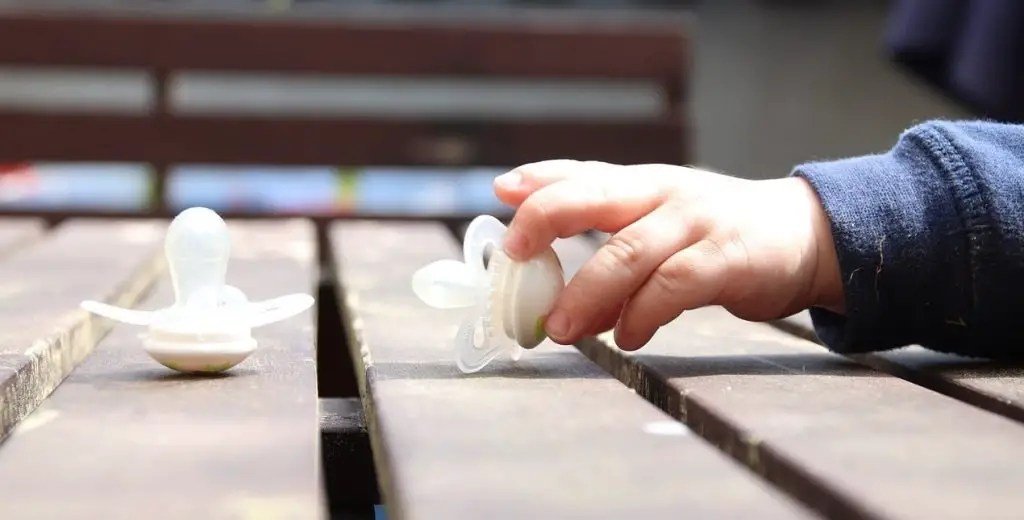
Every parent knows that desperate, heart-wrenching wail. The one that demands immediate comfort, a magical solution to turn tears into contented sighs. For many, that solution comes in the form of a pacifier, the trusty "binky" that can instantly soothe an upset infant. But what happens when you want to offer that same profound comfort without relying on an artificial object? Or when it's time to gently guide your little one away from their beloved binky? This guide on Pacifier Alternatives & Soothing Techniques Beyond the Binky explores a world of natural, nurturing ways to calm your baby, fostering healthy development and deeper connection along the way.
We're diving deep into methods that satisfy your baby's innate need for comfort, promoting oral health, reducing potential health risks, and strengthening the incredible bond you share. It's about empowering you with a toolkit of soothing strategies that truly work, giving your baby the gift of self-regulation and independence.
At a Glance: Soothing Beyond the Binky
- Satisfy the Sucking Reflex: Breastfeeding, clean fingers, and safe teething toys offer natural oral comfort without a pacifier.
- Embrace Physical Closeness: Swaddling, skin-to-skin contact, gentle massage, and babywearing provide security and calm through touch.
- Leverage Gentle Movement: Rocking, swaying, and carrying your baby can activate their natural calming systems.
- Utilize Auditory Comfort: White noise, lullabies, and soft singing can mimic the womb environment and aid relaxation.
- Engage and Routine: Distraction, warm baths, and consistent routines help redirect focus and create predictability.
- Promote Healthier Development: Alternatives support natural jaw growth, reduce ear infection risks, and foster emotional regulation.
- Wean Gently: Gradual reduction and positive reinforcement are key for a smooth transition away from pacifiers when the time is right.
Why Look Beyond the Pacifier?
Pacifiers are undeniably effective at calming a fussy baby, tapping into their fundamental sucking reflex for quick comfort. They offer a momentary reprieve for parents and a dose of serenity for infants. However, like any tool, prolonged or ill-timed use can come with trade-offs. You might be concerned about potential impacts on dental development, the recurring cycle of ear infections, or the sheer dependency that can sometimes form.
Exploring alternatives isn't about shaming pacifier use; it's about expanding your repertoire of soothing tools. It’s about being proactive in promoting your child's overall well-being and helping them learn to self-soothe in varied ways. If you're looking for an even deeper dive into the world of pacifiers, including their pros, cons, and when to consider them, our comprehensive guide on All about pacifiers is an excellent resource.
The journey to finding what truly calms your baby without a binky is a personal one, filled with experimentation and learning. Let's explore the powerful, natural alternatives available to you.
Oral Comfort: Satisfying the Sucking Instinct Naturally
Babies are born with an innate, powerful sucking reflex. It’s essential for feeding, but it also provides immense comfort, regulating emotions and offering a sense of security. When you want to address this need without a pacifier, there are several wonderful options.
Breastfeeding and Non-Nutritive Sucking
For breastfed babies, the breast itself is the ultimate pacifier. It's a source of nutrition, warmth, closeness, and deep emotional regulation. Non-nutritive sucking at the breast provides significant oral stimulation and comfort, often signaling to the baby that all is well.
If breastfeeding isn't part of your journey, or if your baby needs an alternative to the breast, offering a clean finger can mimic this effect. Gently slide your (very clean!) finger, nail-side down, into your baby's mouth, allowing them to suck. The tactile feedback can be very soothing, engaging their oral needs directly.
Teething Toys: More Than Just for Gums
Even before teeth emerge, babies explore the world with their mouths. Safe, BPA-free silicone or natural rubber teething toys are fantastic for this. They offer varied textures that massage gums and satisfy the urge to chew and suck. This isn't just about pain relief during teething; it's about engaging the mouth in a satisfying way.
- Tip: Chill (never freeze) a teething toy for additional relief on sore gums. The cool sensation can be incredibly comforting. Just ensure it's easy for your baby to hold and completely safe for mouthing.
Nutritional Alternatives (for Older Babies)
For babies older than six months who are starting solids, sometimes fussiness before sleep or during wake-ups is simply due to thirst. Offering small amounts of expressed breast milk or plain water in a cup can address this need, reducing the reliance on non-nutritive sucking devices. This won't replace the comfort aspect, but it can eliminate a common underlying cause of distress.
The Power of Proximity: Physical Closeness & Touch
Human touch is incredibly potent. It's hardwired into us to seek closeness, and for infants, it’s a fundamental need for survival and emotional well-being. These methods provide a deep sense of security and calm.
Swaddling: The Womb Embrace
For newborns, swaddling is a game-changer. Snugly wrapping your baby in a soft blanket mimics the cozy, secure environment of the womb. It reduces the startle reflex (Moro reflex) that can disrupt sleep and provides continuous warmth and pressure. It’s a powerful way to make your baby feel safe and contained.
- Safety Note: Always place a swaddled baby on their back to sleep. Discontinue swaddling as soon as your baby shows any signs of trying to roll over, typically around 2-4 months, to prevent them from getting stuck face down.
Skin-to-Skin Contact & Cuddles: Kangaroo Care
Often called "kangaroo care," holding your baby skin-to-skin creates an unparalleled sense of safety and calm. The warmth of your body, the sound of your heartbeat, and your familiar scent are deeply reassuring. This fosters a profound bond, regulates your baby's temperature and breathing, and significantly reduces stress. Regular cuddles, whether skin-to-skin or fully clothed, are essential for emotional well-being and simply make babies feel loved and secure.
Gentle Touch & Massage: A Calming Ritual
A gentle stroke, a soft pat, or a full infant massage can work wonders. Touch stimulates the parasympathetic nervous system, promoting relaxation and calming your baby. It helps regulate their body, reassures them through tactile comfort, and deepens your connection. A light massage, perhaps after a bath, can become a beautiful ritual that signals relaxation and prepares them for sleep.
Comfort Objects: A Transitional Friend
For older infants (typically 6 months and up), a soft blanket, a small lovey, or a favorite burp cloth can provide a sense of security and aid in self-soothing. These objects can become transitional items, helping your baby feel secure even when you're not right there.
- Safety Note: Introduce comfort objects during awake, supervised times. Ensure they are small, breathable, and free of any choking hazards (e.g., loose buttons, ribbons). Due to SIDS risk, avoid placing comfort objects, blankets, or stuffed animals in the crib with infants under 12 months for sleep.
Movement Magic: Rocking, Swaying, and Wearing
Think about your baby's experience in the womb – constant, gentle motion. Recreating this sensation can be incredibly effective at calming fussiness and helping them drift off to sleep.
Gentle Rocking & Movement
Rhythmic motion, like rocking back and forth, simulates the familiar sensations your baby experienced while in utero. This calms their nervous system and promotes relaxation.
- Methods: A good old-fashioned rocking chair is a classic for a reason. You can also use a baby swing (manual swings are often preferred for their gentler, more responsive motion), or simply walk around while holding your baby. The key is smooth, consistent movement.
Babywearing: Close, Warm, and On the Move
Carrying your infant close in a sling or baby carrier combines the benefits of continuous motion with the warmth and closeness of your body. This powerful combination effectively soothes fussiness, helps regulate their system, and allows you to keep your hands free while still providing comfort. It's a win-win for both parent and baby.
The Science of Motion
There's a fascinating physiological reason why motion is so calming. It activates the vestibular system in the inner ear, which plays a crucial role in balance and spatial orientation. When this system is gently stimulated through rocking or swaying, it sends signals to the brain that can reduce activity linked to distress. This process helps lower cortisol (the stress hormone) levels and, conversely, can increase oxytocin (often called the "love hormone"), fostering a sense of peace and security.
Sounds of Serenity: Auditory Soothing Techniques
The world inside the womb is far from silent. It's a symphony of whooshes, thumps, and muffled voices. Replicating these familiar auditory experiences can be incredibly comforting for newborns and young infants.
White Noise & Soothing Sounds
White noise machines or apps can be invaluable soothing tools. The consistent, gentle hum mimics the sounds your baby heard before birth – the rhythmic heartbeat, the rush of blood flow. This familiar backdrop helps to comfort newborns, and it also effectively masks jarring household noises, creating a calm, consistent environment conducive to sleep. The sound provides a gentle distraction, redirecting their focus from internal or external discomfort.
Lullabies & Soft Singing
The human voice, especially a parent's voice, is incredibly powerful. Singing soft lullabies or simply humming a gentle tune can engage your baby's attention calmly, promote relaxation, and establish a comforting ritual. Your voice carries emotion and connection, making it a unique and personalized soothing tool. Consistency with specific songs can also create powerful sleep associations, signaling to your baby that it’s time to wind down.
Engaging and Establishing: Routines and Distractions
Sometimes, fussiness isn't about hunger or overt discomfort; it's about being overstimulated, bored, or simply needing a change of pace. These techniques help redirect your baby's focus and create a predictable, calming world.
Engaging Distraction & Play
A baby's mood can often be shifted with a simple change of focus. Interactive activities like making funny faces, singing silly songs, playing a quick game of peek-a-boo, or reading aloud can redirect your baby's attention from discomfort or boredom to curiosity and joy. Sometimes, just a change of scenery – a short walk outside, a trip to the window to look at trees – can work wonders by offering new, non-stressful stimulation.
Warm Baths: A Universal Calmer
A lukewarm bath is a classic soothing technique for a reason. The warm water, the gentle sensation, and the simple act of being submerged can effectively ease tension, relax muscles, and promote a sense of calm. It's a wonderful way to wind down before bedtime, especially when paired with a gentle massage. Ensure the water temperature is comfortable and safe, and always supervise your baby closely.
Establishing Predictable Routines
Babies thrive on predictability. Consistent feeding, playtime, and sleep routines reduce anxiety, promote a strong sense of security, and help your baby understand what comes next. A calming bedtime routine – a warm bath, a quiet story, a lullaby, and some cuddles – acts as a powerful sleep aid. These routines signal winding down, helping your baby transition from active play to restful sleep without needing an artificial crutch. Over time, your baby learns to associate these familiar steps with relaxation and sleep, making transitions smoother.
Beyond the Binky: The Lasting Benefits of Alternatives
Choosing pacifier alternatives isn't just about finding another way to soothe; it's about investing in your child's long-term health, development, and emotional well-being. The benefits extend far beyond a quiet moment.
Healthy Oral Development
Natural oral stimulation, whether from breastfeeding or chewing on a safe teether, encourages natural jaw movements and strengthens the muscles of the mouth and face. This is critical for healthy teeth spacing, proper alignment, and even speech clarity later on. Prolonged pacifier use, particularly beyond toddlerhood, can sometimes lead to dental complications such as an open bite or crossbite, where the teeth don't align correctly. By fostering balanced oral muscle development through varied activities, you're setting the stage for a healthier smile and clearer communication.
Reduced Health Risks
One significant benefit is the reduced risk of middle ear infections (otitis media). Research indicates a link between frequent pacifier use and an increased incidence of ear infections. This is thought to be due to bacteria entering via the eustachian tubes, which are tiny passages connecting the middle ear to the back of the throat. Frequent sucking and the pressure changes associated with pacifier use may also interfere with proper eustachian tube function. By minimizing pacifier use, you can potentially lower your child's susceptibility to these common and often painful infections.
Emotional Bonding & Self-Regulation
Perhaps the most profound benefit is the impact on emotional development. When you use alternatives like skin-to-skin contact, gentle massage, babywearing, or interactive play, you're directly engaging with your baby. These methods emphasize physical closeness and responsive care, which are crucial for building trust and secure attachment bonds. Instead of relying on an artificial object to calm down, your baby learns to associate comfort with your presence and the natural rhythms of their environment. This process promotes self-regulation skills, teaching them to manage their emotions and find inner calm without needing an external prop. They learn to soothe themselves by internalizing the comfort you provide, a valuable life skill.
Making the Transition: Weaning from Pacifier Use
The decision to wean from a pacifier is a significant step, and it often comes with questions and concerns. The good news is that with a gentle, consistent approach, you can guide your child through this transition successfully.
When is the Right Time?
There’s no single "perfect" age, as every child is different. However, general guidelines can help:
- Daytime Weaning: Many parents consider reducing or eliminating daytime pacifier use between 6 to 12 months. This period is beneficial for promoting healthy oral development and encouraging other forms of self-soothing during awake hours.
- Sleep Weaning: For sleep, it's often acceptable to wait longer, even up to 2-3 years. If the pacifier isn't negatively impacting oral development (as advised by your pediatrician or dentist) or consistently disrupting sleep (e.g., your child constantly wakes up searching for it), there may be less urgency.
- Key Assessment: The most important factor is your child's emotional readiness. Look for signs of increased independence and the development of other coping mechanisms. Avoid weaning during times of significant change or stress (e.g., moving, a new sibling, illness).
Gentle Approaches to Weaning
Minimizing stress for both parent and child is the goal. Gradual methods are almost always recommended over abrupt ones.
Gradual Reduction
This method is highly recommended as it allows your child to adapt and build new self-soothing skills over time.
- Limit Access: Start by limiting pacifier use to specific times only, such as car rides, naps, and bedtime. Keep it out of sight during playtime.
- Phased Removal: Progressively reduce its availability:
- First, no pacifier during playtime or casual moments.
- Then, gradually eliminate it for car rides or stroller walks.
- Next, tackle naps.
- Finally, focus on only using it for bedtime.
- Offer Alternatives: Consistently offer the soothing alternatives discussed earlier whenever your child asks for the pacifier. This helps them discover new ways to comfort themselves.
- Positive Reinforcement: Praise and acknowledge every small step of progress your child makes without the pacifier.
Cold Turkey (with caveats)
This method involves the immediate and complete removal of the pacifier. While it can lead to quicker results for some families, it's often more challenging initially, with likely increased crying and fussiness. It requires immense parental patience and resilience to weather the storm. This approach might be considered for older toddlers who are struggling with gradual changes, but it's generally not recommended for infants.
Smart Strategies for Specific Ages
Toddler Tactics: The Binky Fairy
For toddlers, turning weaning into a "magical" experience can be effective. Introduce the idea of a "Binky Fairy" or a similar concept where the pacifier is left out for the fairy in exchange for a special toy or book. This can make the transition feel less like a loss and more like a positive milestone.
Introducing New Comforts
Before and during weaning, introduce a new comfort object, like a soft lovey or a special stuffed animal. Offer it consistently as a replacement for the pacifier, helping your child transfer their comfort association to a safe, age-appropriate item (remembering SIDS guidelines for infants under 12 months).
Bedtime Routine Reinforcement
Bedtime is often the hardest time to part with the pacifier. Maintain a consistent and calming bedtime routine that includes plenty of cuddles, lullabies, stories, and quiet time. This familiar sequence helps your baby relax and feel secure, creating a strong association with sleep that isn't dependent on the pacifier.
Navigating Bumps: Handling Regressions
It's entirely normal for babies and toddlers to experience regressions, increased fussiness, or more crying during the weaning process. This isn't a sign of failure; it's a natural part of adjusting to a big change.
- Patience and Consistency: These are your greatest allies. Avoid giving in to crying and offering the pacifier, as this can confuse your child and prolong the adjustment period.
- Offer Extra Comfort: Respond to their distress with extra snuggles, gentle rocking, soothing words, or babywearing. Reassure them that you're there.
- Validate Feelings: For older toddlers, acknowledge their sadness or frustration. "I know you're sad about your binky. It's okay to feel sad." This helps them feel understood.
- Distraction: During awake times, use engaging activities to redirect their focus from missing the pacifier.
- Remember the Why: Remind yourself that this temporary discomfort is leading to long-term gains in self-soothing, independence, and better health. You're doing a great job!
Your Journey, Your Baby: Principles for Parents
Navigating the world of infant comfort and development is a deeply personal and often challenging journey. As you explore Pacifier Alternatives & Soothing Techniques Beyond the Binky, remember these foundational principles:
Embrace Gentle Parenting
Approach every interaction with empathy, responsiveness, and boundless patience. Your baby is communicating needs, and your gentle response builds trust and security. Understanding their cues, even when they're confusing, is key.
Trust Your Instincts
You know your baby best. While expert advice and guides like this provide valuable information, ultimately, you are the expert on your child. Pay attention to their unique rhythms, preferences, and personality. What works for one baby might not work for another.
Consistency is Key
Whatever soothing methods you choose, or however you approach weaning, consistency is paramount. Babies thrive on predictability. Regularly applying these alternatives will gradually build new associations and help break dependence on artificial aids. Erratic responses can be confusing for your little one.
Celebrate Small Victories
The journey of infant comfort and development is continuous and non-linear. There will be good days and challenging days. Celebrate every step of progress, no matter how small – a longer stretch of sleep without the pacifier, a moment of self-soothing with a lovey, or simply a calm moment achieved through a new technique. Each tiny success is a testament to your efforts and your baby's growing independence.
A Final Thought on Nurturing Independence
Ultimately, exploring pacifier alternatives is about more than just finding a different way to quiet a cry. It's about nurturing your child's innate capacity for self-regulation, strengthening your bond through responsive care, and setting them on a path toward healthier development. By offering a diverse toolkit of comfort, you're not just soothing a baby; you're empowering a tiny human to find peace within themselves, fostering an independence that will serve them for a lifetime.