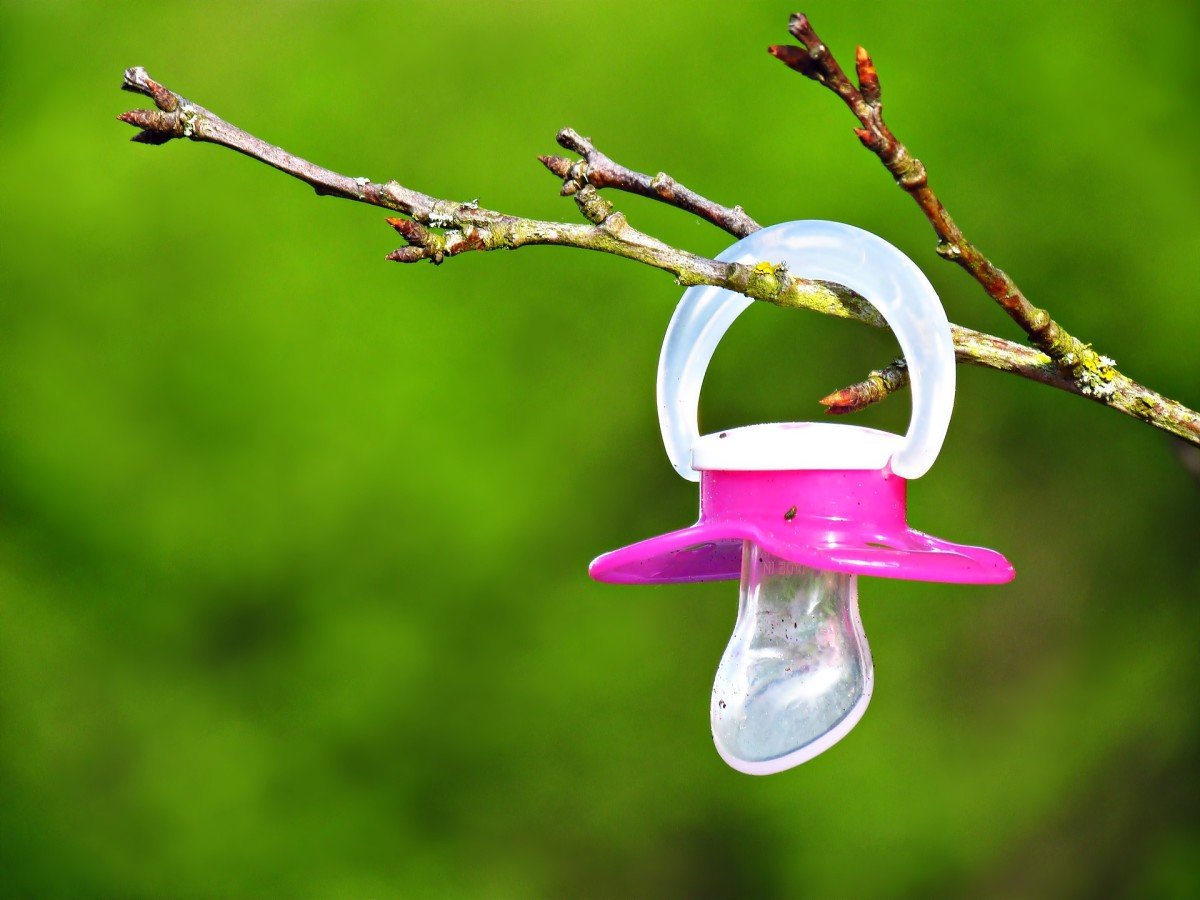
For many parents, the pacifier is a small but mighty tool, a magic key to soothing a fussy baby, encouraging sleep, and satisfying that powerful natural suck reflex. Yet, this seemingly simple device often comes with its own set of perplexing challenges: Troubleshooting Pacifier Refusal & Dependence. From a newborn who spits out every brand you try, to a toddler who can’t seem to function without their "binky," the journey with pacifiers can feel like a riddle. This guide aims to unravel that mystery, offering you expert insights and practical strategies to navigate both ends of the pacifier spectrum, ensuring you feel confident in your choices for your little one.
At a Glance: Key Takeaways for Your Pacifier Journey
- Refusal is Common: Especially among breastfed babies, but many find success with persistence and the right approach.
- Design Matters: Pacifiers aren't one-size-fits-all; shape, material, and size significantly impact acceptance.
- Timing is Everything: Offer a pacifier when calm, not hungry, and allow breastfeeding to establish first.
- Benefits Beyond Soothing: Pacifiers can aid sleep, provide pain relief, and even reduce the risk of SIDS.
- Not All Babies Need Them: If your baby truly refuses, explore alternative soothing methods; it’s perfectly normal.
- Hygiene and Safety First: Regular cleaning and checking for wear are crucial.
- Address Dependence Proactively: Plan for weaning around age 2-3 to prevent dental issues.
The Pacifier Puzzle: Why Some Babies Say "No" (and What It Means)
You've bought every highly-rated pacifier on the market, gently offered it at opportune moments, and still, your little one seems to recoil. Pacifier refusal can be incredibly frustrating, especially when you're exhausted and just want a moment of peace. But rest assured, it’s a remarkably common experience, and often, it’s less about your baby being "stubborn" and more about subtle mismatches or developmental cues.
Let's break down the common culprits behind pacifier rejection:
It’s All About the Feel: Pacifier Design & Preference
Imagine wearing a shoe that just doesn't quite fit. That's often how a baby experiences an ill-suited pacifier. They're highly sensitive creatures, and the tactile experience of a pacifier in their mouth is paramount.
- Shape and Form: Some pacifiers are too flat, too narrow, or too stiff. A shape that doesn't naturally align with your baby's unique oral motor patterns can feel foreign or uncomfortable. Breastfed babies, in particular, may prefer a pacifier that mimics the breast during feeding—think symmetry, a soft, flexible silicone, a rounded tip with a gradual slope that encourages tongue cupping, and a wide gape. Many traditional pacifier shapes simply don't offer this.
- Material Matters: Silicone pacifiers are firmer, easier to clean, and less likely to absorb odors. Latex, while softer and more pliable, wears faster and can occasionally trigger allergies. Your baby might have a strong preference for one texture over the other.
- Size Discrepancies: Pacifiers come in age-based sizes (e.g., 0-6 months, 6-18 months, 18+ months). A pacifier that’s too large can gag a young baby, while one that’s too small might not provide enough oral stimulation for an older infant. Using the wrong size can lead to discomfort and rejection.
The Art of Timing: When to Offer (and When Not To)
Timing can make all the difference between a pacifier being accepted as a soothing comfort or rejected as an irritating obstruction.
- Hunger or Upset: Offering a pacifier when your baby is truly hungry or already deeply upset often backfires. They’re seeking nourishment or intense comfort, not just a distraction. This can lead to frustration for both of you.
- Newborn Adjustments: In the earliest weeks, newborns are primarily focused on learning to feed efficiently. Their oral muscles are developing, and they're adjusting to feeding schedules. Introducing a pacifier too early can sometimes interfere with this delicate balance.
- Developmental Shifts: As infants grow, they develop new self-soothing methods or become more curious about their surroundings, making them less inclined to accept a pacifier.
Hidden Physical Factors: Oral Anatomy & Preferences
Sometimes, the reasons for refusal are more subtle and rooted in your baby's unique physical makeup.
- Oral Tethers or High Palates: Conditions like a tongue-tie or lip-tie (oral tethers) can affect a baby's ability to latch and suck effectively on a pacifier, just as they might impact breastfeeding. A high palate can also influence how a pacifier sits in their mouth. If you suspect an anatomical issue, consult with your pediatrician or a lactation consultant.
- Preference for Hands/Fingers: Many babies are born preferring the control and comfort of sucking on their own hands or fingers. These are always available, always the right temperature, and perfectly molded to their mouth. If your baby consistently favors their digits, a pacifier might feel like a poor substitute.
Breastfeeding Considerations: Nipple Confusion & Beyond
Breastfed babies often have a particular sucking pattern that differs from bottle or pacifier use. While the concept of "nipple confusion" or "nipple preference" is debated among experts, many lactation consultants recommend waiting until breastfeeding is well-established—typically around 3-4 weeks post-partum—before introducing a pacifier. This allows your baby to master the specific latch and sucking technique required for efficient milk transfer from the breast. However, it's important to note that many breastfed babies do successfully accept pacifiers later on without any issues. If you're looking for more detailed information on balancing feeding methods, you might find our guide on breastfeeding and pacifier use particularly insightful.
Decoding Pacifier Features: Finding the Right Fit
When your baby consistently rejects a pacifier, it's not a personal affront; it's a signal to try a different approach. Often, the solution lies in understanding the nuances of pacifier design. Think of it like shoe shopping: you wouldn't expect every baby to love every shoe, and the same goes for pacifiers.
Shape: The Oral Landscape
Pacifiers broadly fall into a few shape categories, each designed to interact differently with your baby's mouth:
- Orthodontic: These pacifiers typically feature a flat bottom and a rounded top, designed to mimic the shape of a mother's nipple during feeding. They aim to support the natural development of the palate and teeth. Many babies find this shape comfortable, especially those who struggle with broader nipples.
- Round (Bulb/Cherry-shaped): As the name suggests, these have a symmetrical, spherical nipple, much like a traditional bottle nipple. Some babies prefer the consistency and larger surface area of a round shape, particularly if they are bottle-fed.
- Cherry-shaped: This is a sub-category of round, often slightly larger and more bulbous.
Special Considerations for Breastfed Babies:
For infants who are breastfed, the ideal pacifier often shares specific characteristics with the breast itself. Look for: - Symmetry and Flexibility: A pacifier that can be inserted any way up, with a soft, pliable silicone that moves easily.
- Rounded Tip with Gradual Slope: This design encourages your baby to cup their tongue around the pacifier, similar to how they cup it around the breast.
- Wide Gape and Support: The base of the pacifier should support a wide open mouth and allow for good suction, resisting collapse during sustained sucking.
- Natural Rubber: Some breastfed babies prefer the softness and give of natural rubber over firmer silicone.
Material: Texture and Feel
The material of the pacifier can significantly influence your baby's acceptance.
- Silicone: This is the most common material. Silicone is durable, heat-resistant, easy to clean, and generally odorless. It's also firmer than latex. Most pacifiers on the market are silicone.
- Latex (Natural Rubber): Softer and more flexible than silicone, latex pacifiers can feel more natural to some babies. However, they are less durable, tend to wear out faster, can absorb odors, and might pose an allergy risk for a very small percentage of babies. If your baby is refusing silicone, a latex option might be worth exploring.
Size: Not a One-Size-Fits-All Approach
Pacifiers are sized by age for a reason. Using the correct size ensures comfort and safety.
- 0-6 Months: Designed for newborns and young infants, these are smaller and lighter.
- 6-18 Months: As babies grow, their mouths develop, and they need a larger pacifier to provide adequate oral stimulation and prevent choking hazards.
- 18+ Months: For toddlers, these are the largest pacifiers, accommodating their developing oral structures.
An incorrect size can lead to discomfort, gagging, or insufficient soothing. Always check the age recommendation on the packaging.
Mastering the Art of Introduction: Tips for Success
So, you’ve got a variety of pacifiers, a little patience, and a hopeful heart. Now, how do you actually get your baby to take it? It’s often a subtle dance of timing, gentle encouragement, and positive reinforcement.
The Goldilocks Timing: Not Too Hungry, Not Too Full
- Aim for Calmness: The prime time to offer a pacifier is when your baby is calm, content, and relaxed, but not actively hungry or deeply distressed. Think of it as a supplemental soothing tool, not a meal replacement or an emergency fix.
- After a Feeding: One of the best moments is right after a feeding, when your baby is full but still has a natural urge to suck to self-soothe. During drowsy moments, like while rocking them before a nap or at bedtime, can also be effective.
- Establish Breastfeeding First: If you’re breastfeeding, hold off on pacifier introduction until breastfeeding is firmly established, typically around 3-4 weeks post-partum. This minimizes any potential for nipple confusion and allows your baby to become proficient at latching and feeding at the breast.
Familiarity Breeds Acceptance
Babies are wired for comfort and familiarity. You can use this to your advantage:
- A Taste of Comfort: Lightly dip the tip of the pacifier in breastmilk or formula. This introduces a familiar and comforting taste, making the pacifier more appealing.
- Warmth Mimicry: Briefly warm the pacifier under warm water to mimic the temperature of a mother's nipple or a bottle. Just ensure it's not too hot before offering.
Gentle Encouragement, Never Force
Your baby's mouth is a sensitive area. Forceful attempts can create negative associations.
- Let Them Root: Hold the pacifier near your baby's lips and gently stroke it. Allow them to "root" for it, opening their mouth and reaching for it themselves.
- Resist the Urge to Push: If they turn away or spit it out, don't force it back in. Take a break and try again later. Persistence is good, aggression is not.
- "Pop-In" Technique: If they take it but it falls out, gently push it back in as they start to suck. Some parents gently tug on the pacifier (very lightly, to stimulate the sucking reflex) while holding it in place until the baby establishes a strong suck.
Position for Success
Sometimes, a simple change in position can make all the difference.
- Upright or Rocked: Try offering the pacifier while your baby is in an upright position or being gently rocked.
- Mimic Feeding Positions: If your baby is breastfed, try offering the pacifier in a position similar to how they latch at the breast, allowing them to gape widely.
Create Positive Associations
Associate the pacifier with comfort and calm.
- Soothing Sounds and Motions: Pair pacifier introduction with other soothing techniques like gentle rocking, soft singing, or a comforting hug. This builds a mental bridge between the pacifier and a feeling of security.
Patience and Consistency: Your Secret Weapons
Acceptance often doesn't happen overnight.
- Expect Days or Weeks: It can take multiple attempts over several days or even weeks for a baby to accept a pacifier.
- Avoid Frustration: If you or your baby becomes frustrated, take a break. Your calm demeanor will help your baby relax and be more receptive.
Experimentation is Key
Remember the "shoe shopping" analogy? Try different brands, shapes, and materials. What works for one baby might not work for another. Some babies might prefer the soft, natural rubber, while others might go for a specific orthodontic silicone shape. Don't be afraid to explore various pacifier brands until you find the perfect match.
Beyond Soothing: The Hidden Benefits of Pacifier Use
Once your baby has successfully accepted a pacifier, it's not just a tool for quiet moments; it offers a surprising array of benefits that extend beyond simply satisfying the suck reflex.
The Soothing Power of the Suck Reflex
At its core, a pacifier fulfills a fundamental need. Babies are born with a strong, natural suck reflex. This reflex isn't just for feeding; it's a powerful self-soothing mechanism. When babies suck, it helps them calm down, regulates their heart rate, and can significantly reduce fussiness and crying. It's a physiological response that provides comfort and security.
A Natural Aid for Sleep
Many parents find pacifiers to be invaluable sleep aids. The rhythmic sucking motion helps babies relax and drift off to sleep faster. It can also help them stay asleep longer by providing a familiar comfort should they stir between sleep cycles. For infants struggling to settle independently, a pacifier can be a gentle bridge to longer, more consistent sleep.
Unexpected Pain Relief
This might surprise you, but pacifier use has been shown to offer natural pain relief. The act of sucking releases endorphins, the body's natural painkillers. This is why you might notice nurses offering pacifiers during vaccinations or other minor medical procedures. It helps babies cope with discomfort and reduces their perception of pain.
Reducing the Risk of SIDS: A Life-Saving Benefit
Perhaps the most significant and scientifically supported benefit of pacifier use is its role in reducing the risk of Sudden Infant Death Syndrome (SIDS). Studies consistently show that pacifier use during naps and at bedtime can lower the incidence of SIDS. While the exact mechanism isn't fully understood, theories suggest that pacifiers keep the airways open, make it easier for babies to arouse from deep sleep, and might prevent them from rolling into a face-down position. This is a primary reason why the American Academy of Pediatrics (AAP) recommends offering a pacifier at bedtime and naptime to infants once breastfeeding is well-established. For a deeper dive into safe sleep practices, consider reviewing our comprehensive guide on SIDS prevention strategies.
When a Pacifier Isn't the Right Fit: Alternative Soothing Strategies
Despite your best efforts and all the tips, some babies simply won't take a pacifier. And that’s perfectly, absolutely fine. Every baby is unique, and if yours consistently rejects it, it’s not a sign of failure – it’s a sign that they have different needs or preferences for comfort. For these little ones, or for any baby, a varied toolkit of soothing strategies is always a good idea.
Acknowledging Non-Acceptance
First and foremost, accept it. If your baby truly never takes to a pacifier, that's okay. They will find other ways to self-soothe, and you will find other ways to comfort them. The goal is a happy, soothed baby, with or without a binky.
Other Reasons for Persistent Refusal
Beyond the design and timing issues, persistent refusal might stem from:
- Taste Sensitivity: New pacifiers can sometimes have a faint manufacturing odor or taste. Try washing new pacifiers thoroughly with warm, soapy water and rinsing well before the first use.
- Mouth Discomfort: Teething pain can make sucking on anything uncomfortable. During teething phases, chilled teething rings or even a cold washcloth might be preferred over a pacifier.
- Sensory Preferences: Some babies simply prefer the tactile control and sensation of their own fingers or hands, which they can position exactly how they like.
Building Your Soothing Toolkit: Alternatives to Pacifiers
If the pacifier isn't working, or you just want a diverse set of soothing techniques, here are some highly effective alternatives:
- Swaddling: For newborns, the snug embrace of a swaddle can mimic the womb, providing a sense of security and dampening the startle reflex.
- Rocking and Movement: The rhythmic motion of being rocked, swayed, or even gently bounced can be incredibly calming. Many babies love being in a swing (used safely and for short periods) or a baby carrier.
- Babywearing: Wearing your baby in a sling or carrier provides close physical contact, warmth, and the comforting rhythm of your heartbeat and movements. It’s also incredibly convenient for parents.
- Gentle Skin-to-Skin Contact: Also known as kangaroo care, this intimate contact is profoundly soothing for babies, regulating their breathing, heart rate, and temperature.
- White Noise: The consistent, low hum of a white noise machine, fan, or even specific apps can mimic the sounds of the womb, blocking out jarring external noises and creating a peaceful environment for sleep and calming.
- Singing and Talking: Your voice is one of the most comforting sounds to your baby. Gentle singing, humming, or soft talking can often bring immediate calm.
- Massage: A gentle infant massage can be a wonderful way to connect with your baby and help them relax.
- Cuddle Time: Sometimes, all a baby needs is a warm, secure cuddle. Simple, sustained physical presence can be the best pacifier of all.
Navigating Pacifier Dependence: When It's Time to Wean
While pacifiers offer numerous benefits in infancy, their prolonged use beyond toddlerhood can introduce new concerns, particularly regarding dental development and speech. The journey with a pacifier often shifts from "how do I get them to take it?" to "how do I get them to give it up?"
Pacifier Hygiene and Safety: Non-Negotiables
Before we dive into dependence, let's quickly reiterate critical safety and hygiene practices for any pacifier user:
- Never Dip in Sugary Substances: Absolutely avoid dipping pacifiers in honey, sugar water, or anything sweet. This practice is extremely harmful to developing teeth, leading to early childhood tooth decay.
- Clean Regularly: Pacifiers can harbor germs. Wash them daily with warm, soapy water. For newborns under six months, sterilize them frequently (boiling, steam sterilizer, or dishwasher cycle if suitable).
- Check for Wear and Tear: Always inspect the pacifier nipple for any signs of cracking, stickiness, discoloration, or holes. Worn-out nipples can break off, posing a choking hazard, and cracks can harbor bacteria. Replace them immediately.
- No Strings or Clips Around the Neck: Never attach a pacifier to a string or clip that can be wrapped around a baby's neck, as this is a strangulation risk. Use pacifier clips that attach securely to clothing. For more essential safety checks, you can consult resources on pacifier safety tips.
When Dependence Becomes a Concern
Most pediatric dentists and developmental experts suggest phasing out pacifier use between the ages of 2 and 3 years. This recommendation is primarily driven by concerns about:
- Tooth Alignment: Prolonged and intense pacifier sucking, especially beyond age 2 or 3, can affect the alignment of primary teeth. It can lead to an "open bite" (front teeth don't meet) or "crossbite," which might require orthodontic intervention later on.
- Speech Development: While there's no strong evidence that pacifier use causes speech delays, constant pacifier use can muffle sounds and make it harder for children to practice babbling and forming words clearly. If a child always has a pacifier in their mouth, they have fewer opportunities for verbal exploration.
- Emotional Attachment: While a comfort object, extreme dependence can sometimes hinder a child's development of alternative coping mechanisms for stress or sadness.
Strategies for Gentle Weaning
Weaning your child from a pacifier requires patience, consistency, and a plan. The "best" method often depends on your child's temperament and your family's circumstances.
- The Gradual Approach:
- Phase Out During the Day: Start by limiting pacifier use to naps and bedtime only. Explain to your child that "binkies are for sleeping."
- Shorten Usage: Gradually reduce the amount of time they have the pacifier during sleep. For instance, remove it once they're deeply asleep.
- Offer Alternatives: Replace pacifier time with other comforting activities: a special blanket, a stuffed animal, extra cuddles, reading a book, or quiet play.
- Positive Reinforcement: Praise and reward your child for not using their pacifier, even for short periods.
- The "Pacifier Fairy" or "Binky Tree":
- This gentle method turns weaning into a special event. Explain to your child that the "Pacifier Fairy" collects pacifiers for new babies, leaving a special gift in return.
- Collect all pacifiers and "send them off." This gives the child a sense of closure and responsibility. Some communities even have "binky trees" where children hang their pacifiers, similar to losing a tooth.
- Cold Turkey (for some):
- For some children, especially those who are highly reliant, a sudden, complete removal might be less confusing than a gradual approach.
- Be Prepared: Expect a few rough days and nights with increased crying and fussiness. Stay firm, offer abundant comfort, and remember why you’re doing it.
- Timing is Key: Don't attempt cold turkey during times of stress or major change (e.g., moving, new sibling, potty training).
- Dental Consultation:
- If you have concerns about your child's dental development due to prolonged pacifier use, consult a pediatric dentist. They can assess any potential impact and offer tailored advice. A great resource for this transitional phase might be our comprehensive guide on how to wean your child from a pacifier.
Common Questions & Misconceptions About Pacifiers
It’s natural to have a lot of questions about pacifiers. Let's tackle some of the most frequent ones.
Will a pacifier cause "nipple confusion" or interfere with breastfeeding?
The term "nipple confusion" is debated. While some babies might experience a temporary preference for one over the other if a pacifier is introduced too early, many breastfed babies successfully use pacifiers without issue, especially if waiting until breastfeeding is well-established (around 3-4 weeks postpartum). The American Academy of Pediatrics (AAP) states that once breastfeeding is well-established, pacifier use is acceptable and even recommended at naptime and bedtime to reduce SIDS risk.
How long should I try to introduce a pacifier before giving up?
Patience is key. Some babies take to a pacifier within days, others require weeks of consistent, gentle attempts. Try different shapes, materials, and brands. If after several weeks of varied attempts, your baby still consistently refuses and shows no interest, it's perfectly fine to accept that a pacifier just isn't for them.
Is it okay if my baby never takes a pacifier?
Absolutely! A pacifier is a tool, not a necessity. Many babies never take one and develop other healthy self-soothing mechanisms, like sucking on their thumb or fingers, or finding comfort in a lovey. If your baby is calm and able to self-soothe without a pacifier, there's no need to force the issue.
My baby only wants the pacifier to sleep. Is that a problem?
No, this is very common and often beneficial! The AAP recommends pacifier use specifically at naptime and bedtime to reduce the risk of SIDS. If your baby only uses it for sleep, it minimizes the potential impact on speech and dental development during waking hours, making it an ideal scenario for many parents.
Can pacifier use lead to ear infections?
Some studies have shown a potential correlation between frequent pacifier use (especially beyond six months of age) and an increased risk of middle ear infections (otitis media). This theory suggests that sucking on a pacifier might affect pressure in the Eustachian tubes, leading to fluid buildup. However, the evidence isn't conclusive, and the SIDS reduction benefit often outweighs this potential risk in the infant stage. Discuss any concerns with your pediatrician.
Your Next Steps: Empowering Your Pacifier Journey
Whether you're struggling with pacifier refusal or contemplating how to gently wean your child, remember that you are your baby's expert. Observe their cues, be patient with the process, and trust your instincts.
- Refusal? Experiment! Don't give up after one or two tries. Rotate through different pacifier shapes, materials, and sizes. Experiment with timing and subtle encouragement techniques.
- Embrace Alternatives: If a pacifier truly isn't working, or if you simply prefer not to use one, lean into the wealth of other soothing strategies available. Skin-to-skin contact, rocking, swaddling, and white noise are powerful tools in your parenting arsenal.
- Plan for Weaning: If your child accepts a pacifier, start thinking about a weaning plan around their second birthday. A gradual, gentle approach is often the most successful.
- Prioritize Safety & Hygiene: Regardless of use duration, consistent cleaning and checking for wear and tear are non-negotiable for your child's health and safety.
- Consult the Experts: When in doubt, lean on your pediatrician, a lactation consultant, or a pediatric dentist. They can offer personalized advice tailored to your child's specific needs and developmental stage.
The pacifier journey is just one small part of the beautiful, complex adventure of parenting. Equip yourself with knowledge, practice patience, and always prioritize your child's comfort and well-being. For a comprehensive overview of everything pacifier-related, from selection to care, make sure to explore our Comprehensive guide to pacifiers. You’ve got this!