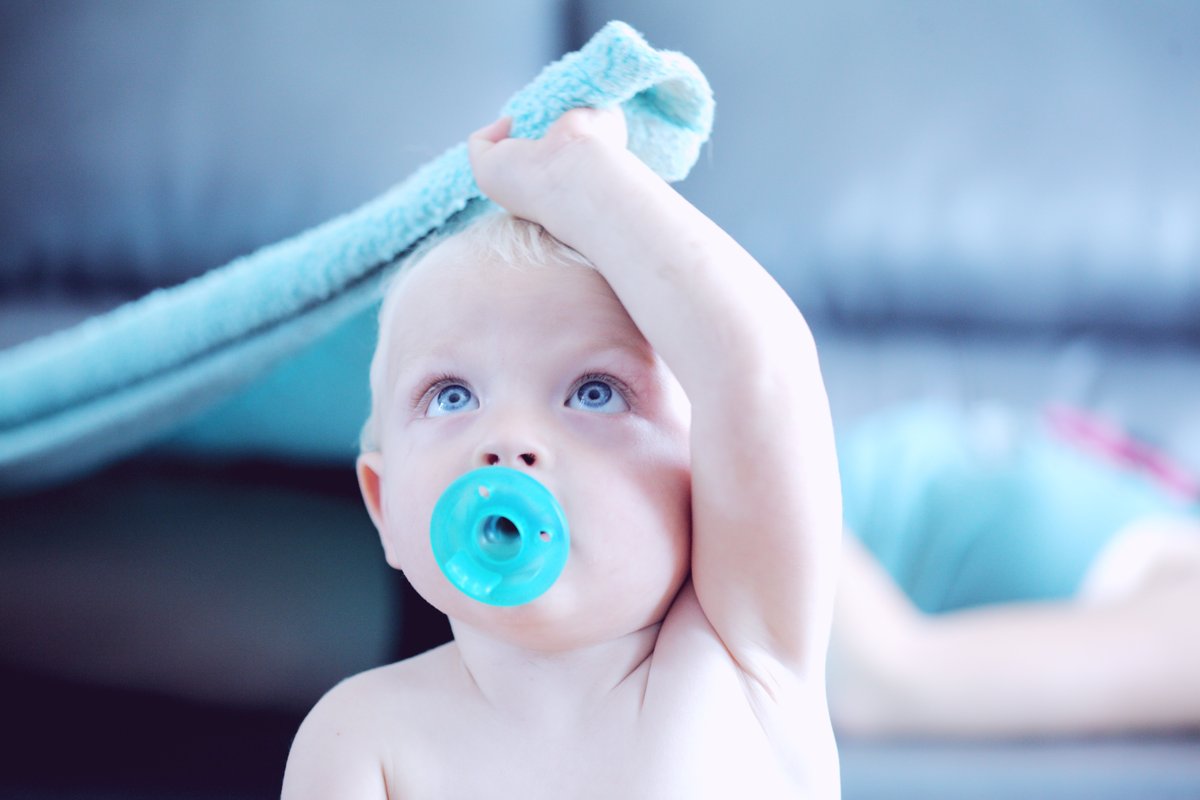
The moment your baby snuggles into your chest, finds that comforting pacifier, and drifts off to sleep, it feels like pure magic. That little piece of silicone or latex can be a lifesaver for soothing a fussy infant, easing minor pains, and even playing a role in reducing the risk of SIDS. But like all good things in parenting, there comes a time to say goodbye. Weaning from pacifiers is a significant developmental milestone, often met with a mix of anticipation and apprehension by parents. You’re not just taking away an object; you’re helping your child transition from one comfort mechanism to new, more mature coping skills.
This guide is designed to empower you with the knowledge, strategies, and confidence to navigate pacifier weaning successfully, turning potential tears into triumphs.
At a Glance: Your Quick Weaning Checklist
- Ideal Timing: Start between 12 and 18 months, with a final goal of stopping before age 3 to protect dental health.
- Observe Your Child: Consider their emotional readiness and current developmental stage.
- Avoid Stressful Times: Don't start weaning during illness, teething, or major life changes.
- Choose Your Method: Options range from gradual reduction to a "cold turkey" approach or celebratory gifting.
- Consistency is Key: Once you start, stick with it. Gather all pacifiers to remove temptation.
- Offer Alternatives: Introduce new comfort objects or ways to self-soothe.
- Lean on Support: Your pediatrician is a valuable resource; don’t hesitate to ask for advice.
Why the Pacifier is So Great (and Why We Eventually Say Goodbye)
Before we talk about saying farewell, let’s acknowledge the pacifier's indispensable role. Known by many names—binky, dummy, nuk, paci, soother—it taps into an infant's innate sucking reflex, offering immediate comfort and a sense of security. It can be a godsend during car rides, doctor visits, or those unavoidable moments of frustration. The American Academy of Pediatrics (AAP) even notes its benefit in reducing the risk of Sudden Infant Death Syndrome (SIDS) during sleep.
However, as children grow, the very thing that brings comfort can start to pose challenges. Prolonged pacifier use can impact developing teeth and even hinder speech development if it becomes a constant presence. It can also become a deeply ingrained sleep association, leading to disrupted nights if your child needs you to replace it multiple times. Understanding these potential impacts is the first step toward deciding when and how to begin the weaning process.
The Golden Window: When Experts Suggest Weaning
The question of "when" to wean is a common one, and thankfully, experts offer clear guidelines. This isn't about rushing your child, but about identifying the optimal period for their development and health.
- Second Six Months of Life: Both the American Academy of Pediatrics (AAP) and the American Academy of Family Physicians (AAFP) recommend beginning to reduce or stop pacifier use in the second six months of life. This usually means starting to limit its use during awake times.
- 12 to 18 Months: The Sweet Spot: Most experts suggest actively beginning the weaning journey between 12 and 18 months. The American Academy of Pediatric Dentistry (AAPD) and the American Dental Association (ADA) align with this, recommending actively discouraging use before 3 years old, with optimal weaning often around 18 months when canines typically emerge. This age range strikes a balance: children are still young enough that the habit isn't completely ingrained, but old enough to start understanding simple concepts.
- Beyond Age 3 (and Especially 4): Dental Health Concerns: Pediatricians and dentists strongly discourage pacifier use after age 4 due to the increased risk of dental malocclusion. This refers to misalignments of the teeth and jaw, such as an "open bite" (where the front teeth don't meet), crossbite, or overjet (protruding front teeth). The longer pacifier use continues, the more pronounced and challenging these issues can become, often requiring orthodontic intervention down the line.
Why Not Wait Forever? Potential Impacts of Prolonged Use
While it's tempting to put off weaning, especially if your child is deeply attached, there are practical reasons not to.
- Sleep Disruptions: If your child relies on the pacifier to fall asleep, it can become a strong "sleep association." This means they might wake frequently during the night, crying for you to replace it, disrupting everyone's sleep. In such cases, weaning may be considered earlier, even before the typical age recommendations, if the pacifier causes more problems than benefits. For more insights on common sleep challenges, you might find our guide on tackling sleep regressions helpful.
- Nap Woes: Weaning before 3 years old, particularly if the pacifier is a strong naptime cue, can sometimes impact naps. This might lead to premature nap cessation, earlier waking, or simply insufficient sleep as your child adjusts to new sleep cues.
- Speech and Language: Constant pacifier use can interfere with your child’s ability to practice sounds and develop clear speech. Their tongue, jaw, and lip muscles need to move freely to articulate words correctly.
- Social & Emotional: While less critical, prolonged pacifier use can also sometimes draw unwanted attention or comments, which can be challenging for both parent and child as they get older.
Is Your Child Truly Ready? Beyond the Calendar
While age guidelines are crucial, your child's individual readiness also plays a significant role. A successful weaning process often hinges on good timing and a sensitive approach.
- The "Understanding" Age (2.5-3 years): Children aged 2.5 to 3 years often have a heightened sense of awareness. They can better understand explanations, participate in the process, and grasp that the pacifier is "gone." If the pacifier still brings comfort, your child can self-replace it (typically by 8 months or older), and there are no significant nighttime issues, waiting until this age can make the process smoother, though dental considerations should still be weighed.
- Avoiding Periods of Discomfort: This is perhaps one of the most important considerations. Never initiate weaning during times of stress or discomfort for your child. This includes:
- Illness (colds, ear infections, flu)
- Teething
- Major life changes (moving, starting daycare, arrival of a new sibling)
Choose a time when you can be patient, consistent, and fully present to support your child through this transition.
How Long Will It Take? Setting Expectations
Expect a few days to a week of disruption as your child adjusts to new sleep cues and comfort strategies. This is normal. Consistency is the most critical factor for forming new habits and helping your child adapt quickly.
Your Weaning Playbook: Strategies That Work
There's no single "right" way to wean from a pacifier, as every child is unique. What works for one family might not for another. Here are several effective strategies, ranging from gentle to more decisive, that you can adapt to your child's temperament and your family's needs.
1. The Gradual Approach: Slow and Steady Wins the Race
This method is ideal for children with a strong attachment to their pacifier or for parents who prefer a less abrupt transition. It focuses on slowly reducing pacifier availability.
- Start with Bedtime Only: Begin by removing the pacifier at bedtime, where sleep pressure is naturally highest. This is often the easiest place to start because your child is already tired and more likely to fall asleep, even without their usual comfort. For the first few nights, you might offer extra cuddles, back rubs, or gentle shushing. As they adjust, gradually fade your assistance each night, helping them learn to fall asleep independently.
- Night-Wakings Next: Once your child has mastered falling asleep at bedtime without the pacifier, tackle night-wakings. If they cry out, try other soothing methods first before offering the pacifier. The goal is to gradually reduce its use during these times.
- Finally, Naps: Naps are often the last frontier because children typically have less sleep pressure during the day. Apply the same principles you used for bedtime: offer alternative comforts, and gradually remove the pacifier.
- Temporary Settling Methods: If your child relies heavily on the pacifier to fall asleep, temporary hands-on settling methods (like gentle rocking, patting, or holding) can bridge the gap. Gradually reduce your involvement over a few nights, allowing your child to take more ownership of their sleep. Understanding gentle baby sleep training methods can be a great complement here.
2. Cold Turkey: A Quick Break for Quick Adapters
This method means removing the pacifier completely and immediately. It's often suitable for children who adapt quickly to change or who have a lower emotional attachment to their pacifier.
- Preparation: Gather all pacifiers and remove them from the house. There’s no turning back once you commit.
- Expect Protest: Be prepared for a few days of increased crying and frustration. This is normal as your child processes the change.
- Firm Commitment: This method requires unwavering commitment and consistency from parents. If you reintroduce the pacifier, even once, it can prolong the process and confuse your child.
- Offer Loads of Comfort: During this intense period, provide extra cuddles, stories, and playtime during the day. At night, offer other soothing techniques like back rubs or singing.
3. The "Big Kid" Exchange: Making it a Celebration (Ages 2.5-3+)
This strategy turns weaning into a positive, empowering experience for older toddlers who can understand more complex concepts.
- The Pacifier Fairy: Similar to the tooth fairy, the Pacifier Fairy can visit. Your child leaves their pacifiers out (perhaps in a special box or bag) and the fairy takes them, leaving behind a "big kid" toy or reward. Make it magical!
- Gifting to a New Baby: Explain that your child is now a "big kid" and can "gift" their pacifiers to a new baby who needs them more. You can wrap them up, mail them (and receive a "thank you" note from the "new baby"), or even symbolically leave them for a newborn in the family or community.
- "Goodbye Pacifier Party": Celebrate this milestone! Throw a small party for your child, complete with a special "big kid" gift or reward they've been wanting. Frame it as a celebration of their growth and independence.
- Story Time: Use board books that feature characters also weaning from pacifiers. Seeing their favorite characters go through the same experience can be incredibly validating and educational.
4. Transition to a New Comfort Object: A Soothing Stand-In
Replacing one comfort with another can ease the transition.
- Introduce a New Friend: During playtime and bedtime, introduce a new comfort item like a small muslin blanket (ensure it’s breathable and safe for their age), a soft teddy bear, or a favorite stuffed animal.
- Safe Sleep Practices: For children under 12 months, remember to keep the crib clear of loose objects, blankets, and stuffed animals to reduce the risk of SIDS. Always prioritize safe sleep guidelines. For older children, choose a comfort object that is small, soft, and poses no choking hazard. Our guide on understanding the role of comfort objects provides more insights.
- Make it Special: Let your child choose their new comfort item if possible. Spend time snuggling with it during the day so it absorbs your scent and becomes a familiar, positive presence.
5. Let Your Child Take the Lead: The Natural Fade
Some children, given enough time, naturally become disinterested in their pacifier or give it up on their own. This often happens as their world expands and they find new ways to self-soothe and entertain themselves. If your child's pacifier use is limited to sleep and they show signs of naturally reducing their dependence, this can be a gentle, low-stress option.
Common Stumbles & What to Avoid
While there are many effective strategies, some approaches are not recommended due to safety concerns or counterproductivity.
- DO NOT Snip or Poke Holes: Many pediatricians strongly advise against snipping the tip or poking holes in the pacifier. This creates a choking hazard as small, detached pieces can break off and be ingested by your child. It also alters the pacifier's design, which can cause other safety issues. This method is dangerous and ineffective.
- Avoid Shame or Guilt: Never make your child feel bad or ashamed for using a pacifier. Frame the transition positively, focusing on growth and becoming a "big kid," rather than dwelling on a "bad" habit.
- Don't Reintroduce Once Removed: The biggest mistake parents make during weaning is giving in and reintroducing the pacifier after deciding to remove it. This sends mixed signals, prolongs the process, and makes future attempts even harder. Consistency is crucial.
The Unsung Hero: Consistency and Connection
No matter which strategy you choose, your approach as a parent will be the ultimate determinant of success.
- Consistency is Paramount: This cannot be stressed enough. Once the pacifier is removed, do not reintroduce it. Gather all pacifiers in your home and store them away, or even better, remove them entirely to avoid temptation during moments of weakness (for both you and your child!).
- Practice Makes Perfect (Especially for Younger Ones): For children aged 7-9 months who are still using a pacifier, practice finding and replacing it during the day. Place multiple pacifiers in the crib at night, so if one falls out, they have a higher chance of finding another and self-soothing without your intervention. This builds independence.
- Praise and Empathy: Weaning can be tough for your child. Acknowledge their feelings ("I know you're sad about your paci, and it's okay to feel that way") and offer abundant praise for their efforts and successes. "You're doing such a great job being a big kid!" can go a long way. This empathetic approach is key to effective toddler discipline strategies.
- Offer Alternative Comforts: Beyond physical objects, offer extra hugs, songs, stories, or special activities to fill the comfort void.
- Consult Your Pediatrician: Your pediatrician is a fantastic resource. They can offer personalized advice, address any specific concerns you have about your child's development, or provide additional support and strategies tailored to your situation. Never hesitate to reach out for guidance. They can also offer advice on maintaining your child’s dental health as they grow.
Navigating the Early Days: What to Expect
The first few days after initiating pacifier weaning are usually the most challenging. Your child might:
- Cry More: They're expressing their frustration and sadness at losing a familiar comfort.
- Have Trouble Falling Asleep: Both at naps and bedtime, it might take longer for them to settle.
- Wake More Frequently: Especially at night, as they search for their missing comfort.
Your Role: Remain calm, firm, and loving. Provide consistent, alternative comfort. Remember, this phase is temporary. Most children adjust within a few days to a week. Stay strong!
Final Thoughts: Celebrating a Milestone
Weaning from pacifiers is more than just letting go of a habit; it's a significant developmental step that fosters independence, resilience, and new self-soothing skills in your child. It teaches them that while change can be challenging, they are capable of adapting and finding new ways to feel secure and happy.
By choosing the right time, selecting a strategy that suits your child, and committing to consistent, loving support, you're not just taking something away – you're giving them the invaluable gift of growth. Soon, the memories of the "paci" will fade, replaced by the joy of seeing your child thrive as a confident, "big kid."
For a deeper dive into all aspects of pacifier use, from introduction to weaning, check out our complete guide to pacifiers.